
A renovation looks complicated from the outside, but it follows a clear spine. From the moment you decide to renovate, the project moves through design, quotation, approvals, construction and handover. Once you understand how the process flows, you stop losing your bearings halfway through, and it becomes far easier to talk to your designer and trades. This guide walks the whole journey from the first measure to moving in, so that even a first-time renovation feels navigable and you know which decisions belong at which stage.
The process at a glance
Most residential projects run through the same sequence: brief and site measure, design and material selection, quotation and contract, submission and approval where needed, then construction in trade order, and finally inspection, snagging and handover.
The early stages feel slow because they are about decisions, not visible work. That is by design. The clearer your decisions are before anyone picks up a tool, the smoother and quicker the build runs. Treat the planning weeks as an investment, not a delay.
Step one: measure, brief and first design
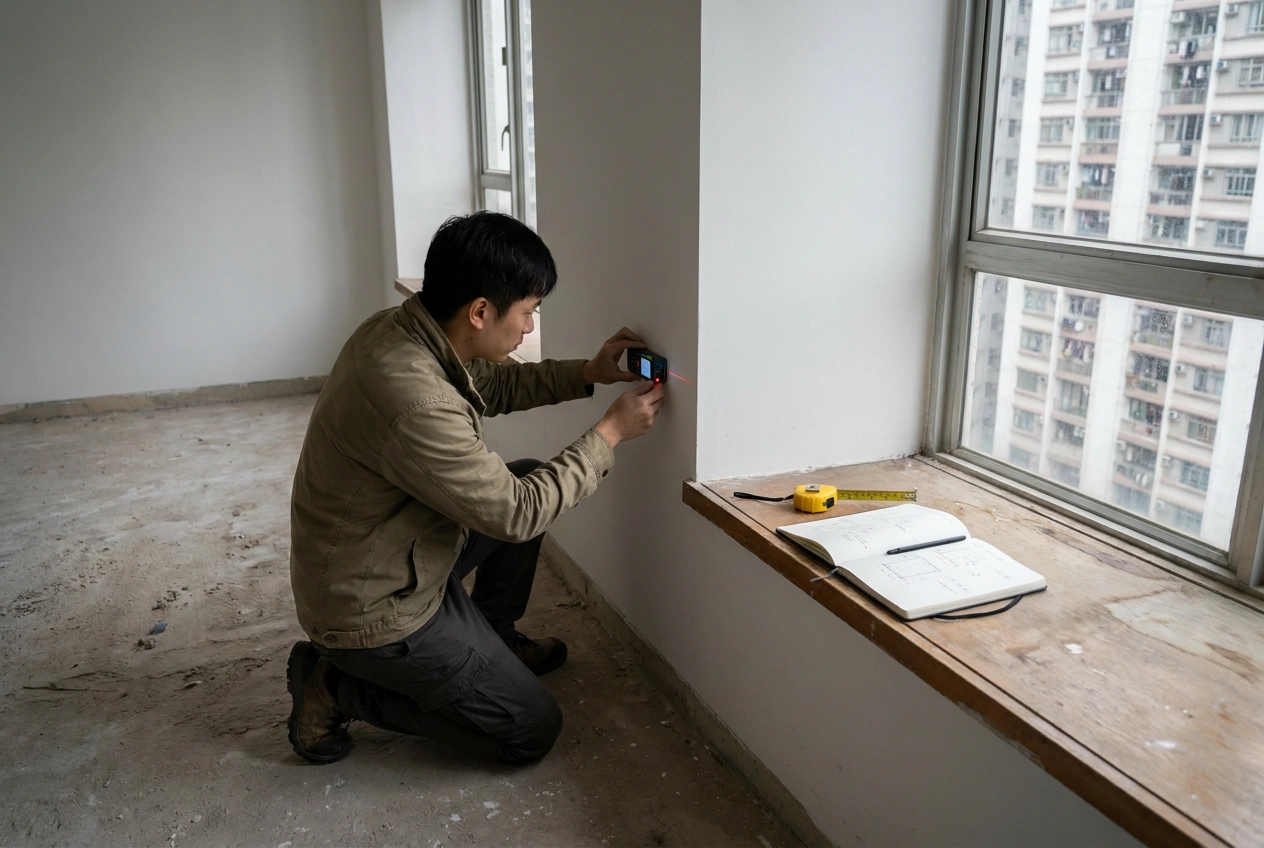
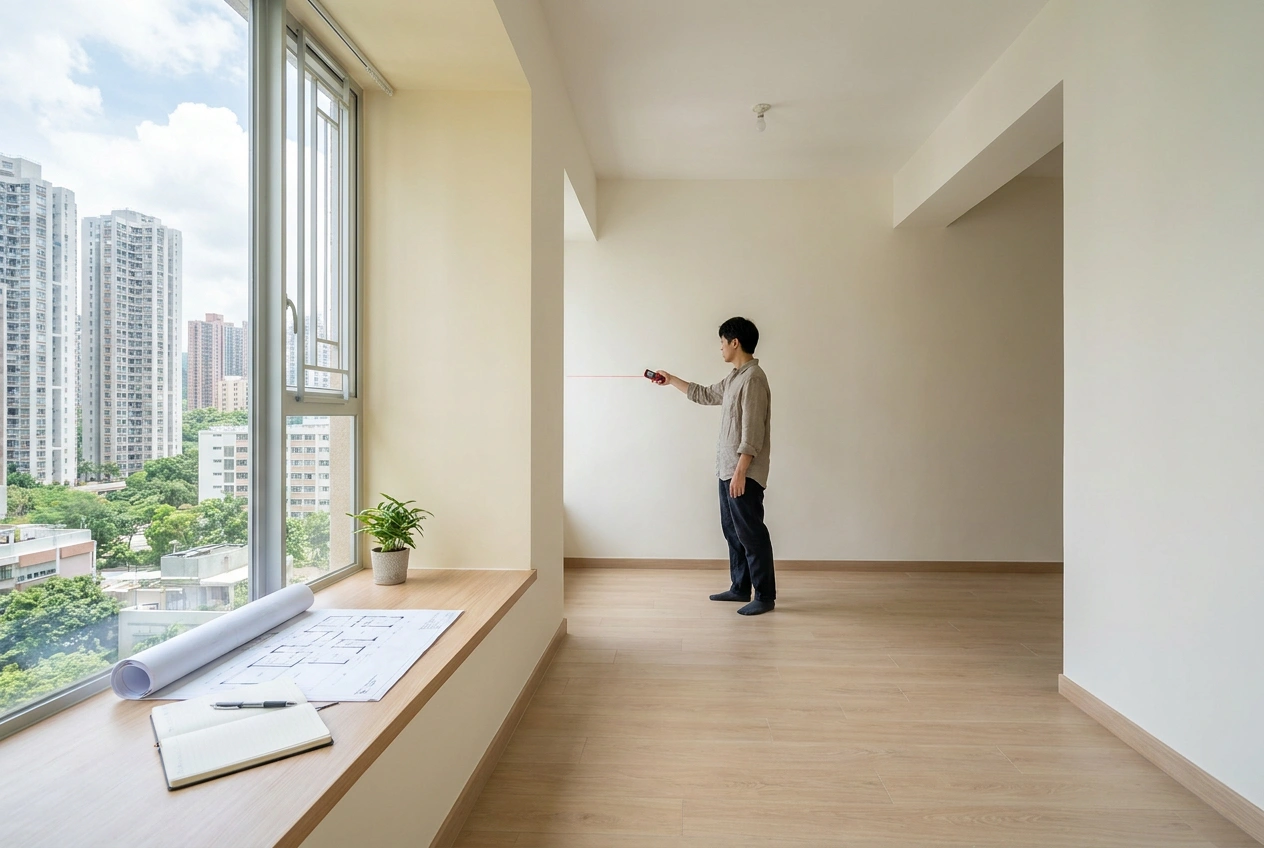
It starts with a site visit and a measured survey. We listen to how you live, who uses each room, what storage you need and what frustrates you about the current flat. That brief is turned into an initial layout and look.
This is the stage to be honest about priorities and budget. Moving a wall on a drawing costs nothing; moving it once it is built costs a great deal. The more thinking you do here, the fewer expensive changes later.
Step two: quotation and contract
Once the design direction is set, it is priced. A good quotation lists the trades and materials clearly enough that you can see what is and is not included.
The contract should set out scope, materials, a payment schedule tied to progress, and a programme of dates. Read it properly before signing. A clear contract protects both sides and is the single best defence against disputes later in the job.
Step three: submission and approval, if needed
Not every project needs formal approval, but some do. Structural alterations, works affecting the building's external wall, and the reinstatement of unauthorised building works can require an authorised person and submission to the relevant authorities.
Your building's management office will also have its own rules: permitted working hours, lift protection, debris removal and deposits. Sorting these before work begins avoids stop-start delays once the team is on site.
Step four: construction, in trade order
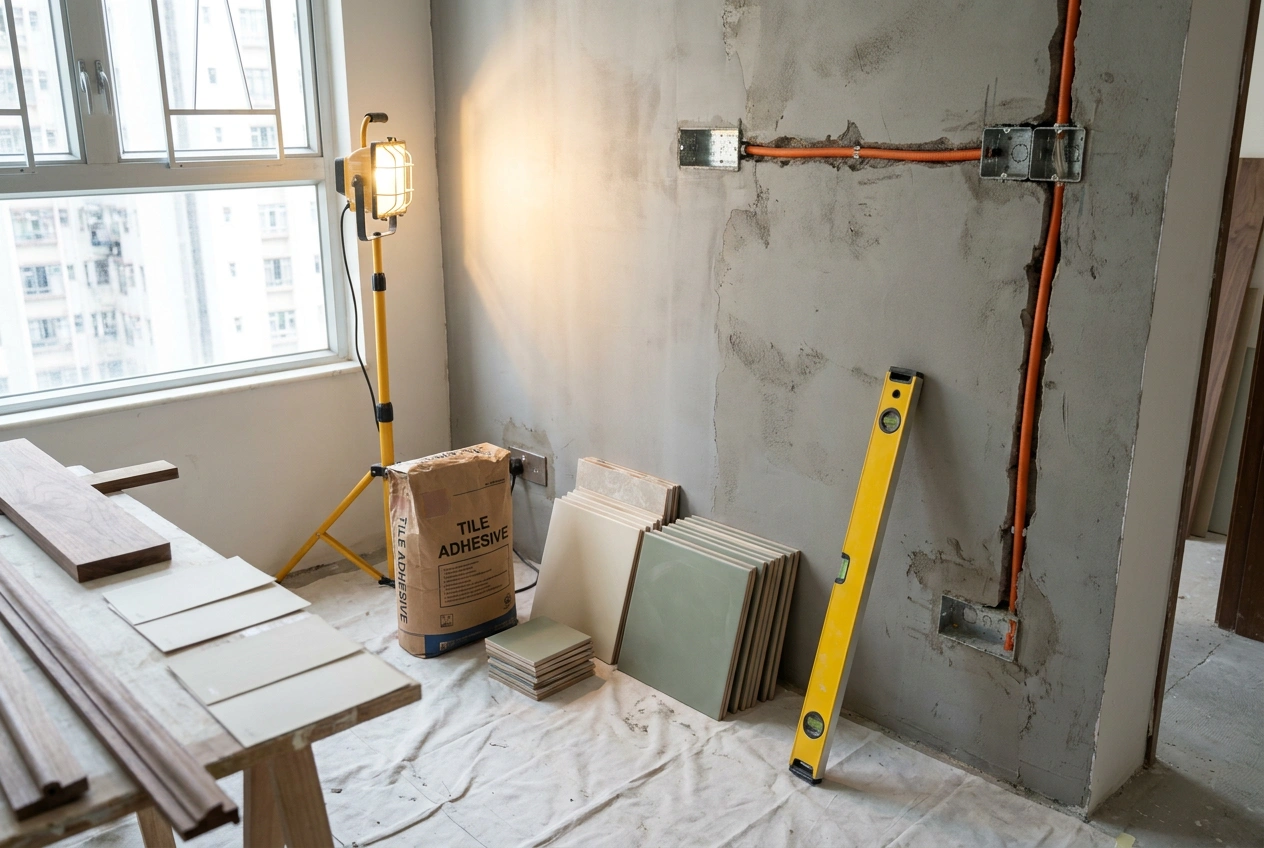
The build follows a logical order so trades do not undo each other's work: demolition first, then wet trades and screeding, electrical and plumbing first fix, carpentry and joinery, then tiling, painting and final fix.
This is where a good site supervisor earns their place, coordinating trades, checking work against the drawings, and catching problems early. Regular site visits from you are welcome, but trust the sequence; some stages look messy right before they come together.
Step five: inspection, snagging and handover
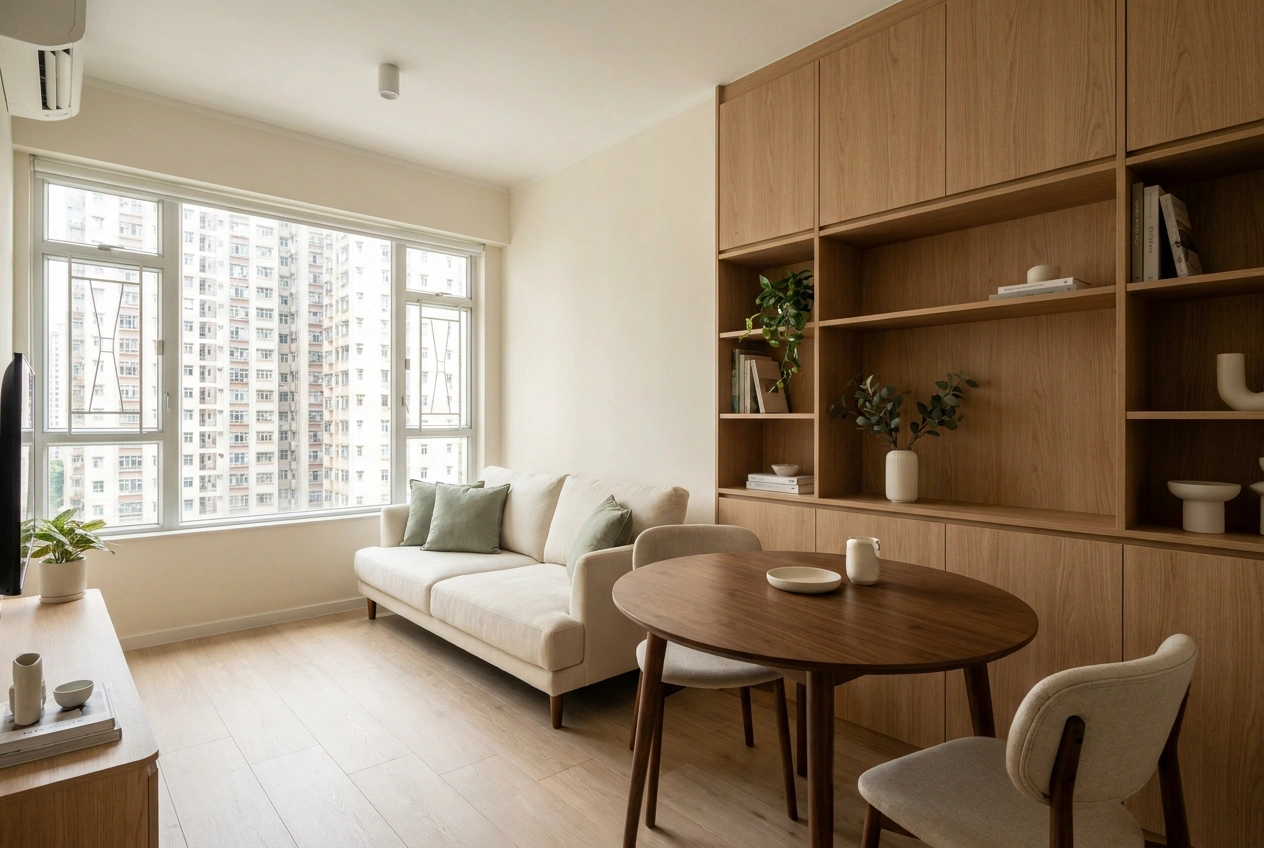
Near the end, we walk the flat with you to inspect the work and list any snags, the small defects and touch-ups that always exist on a fresh job. The team clears the list, the home is cleaned, and you receive your handover.
A reputable studio stands behind the work afterwards with a workmanship warranty. Keep your contract and any material records together, so that if anything needs attention later, it is straightforward to put right.


Open WeChat, Discover, Scan
Or save the QR and import it from your gallery.