
A renovation quotation can carry dozens of line items and a wall of numbers, and the first one you read is genuinely dizzying. But once you understand its structure, you can quickly tell a solid quote from one that hides surprises. A quote is not just about which total is lowest; it is about what each one prices and what it leaves out. This guide walks you through a quotation line by line, from demolition and wet trades to joinery and finish, explains the difference between supply-and-install and labour-only, and gives you the questions to ask before signing, so you are not discovering extras halfway through the job.
What a complete quotation should contain
A clear quotation is organised by trade, not thrown together as one lump sum. You should be able to see separate sections for demolition and disposal, wet trades and waterproofing, electrical and plumbing, carpentry and joinery, kitchen and bathroom, paint and flooring, and a miscellaneous or protection section.
Each line should state what the work is, the quantity or area, and whether material is included. If a quote is just a handful of big round numbers with no breakdown, that is a warning sign. You cannot compare, or query, what you cannot see.

Reading the base works
The base works are demolition, wet trades, waterproofing, electrical and plumbing. These are the items most often underestimated, because much of the work is hidden.
Look for whether waterproofing is included after any bathroom or kitchen demolition, how many electrical points are priced, and whether old pipework or wiring is being replaced or merely reconnected. In older flats especially, skimping here stores up problems. A quote that prices these properly may look higher but is usually more honest.
Reading the carpentry and joinery
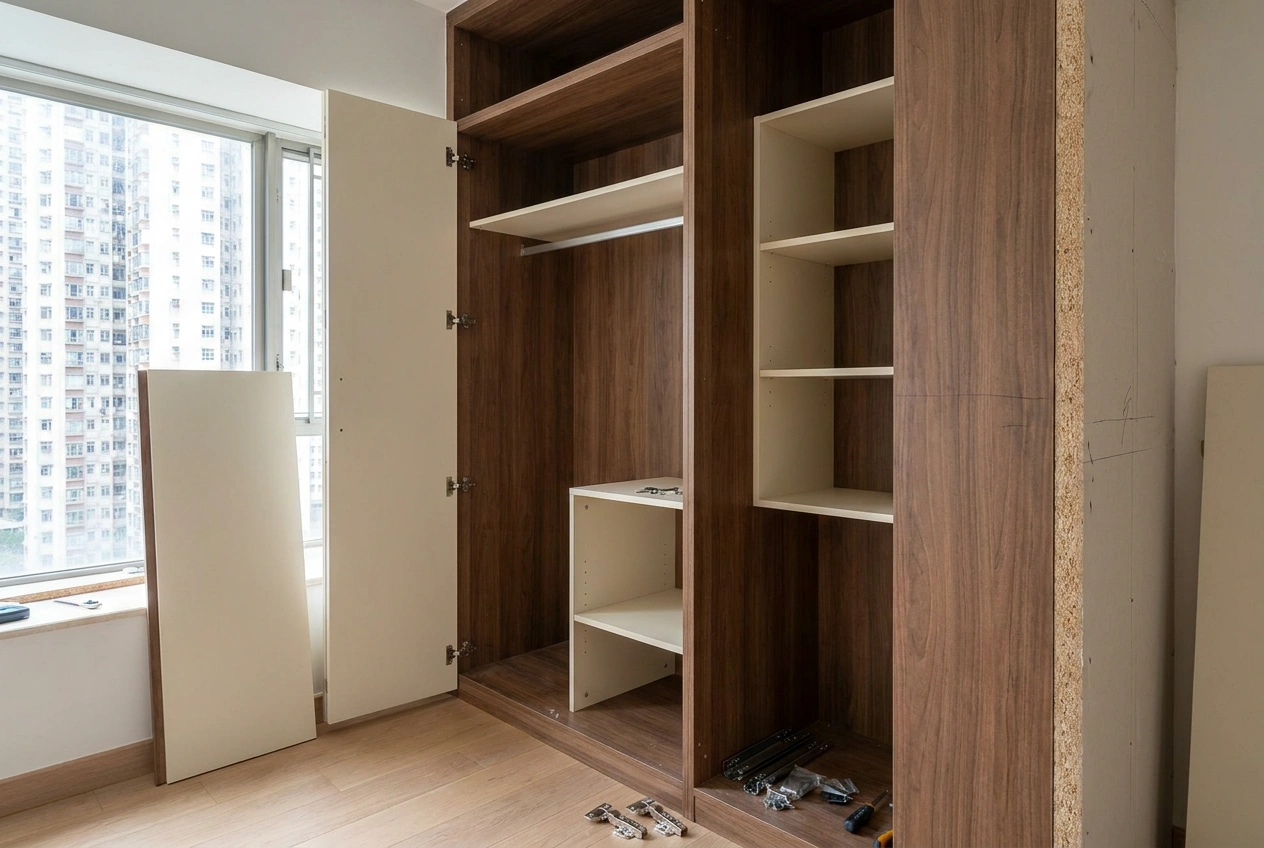
Carpentry is typically the largest block, so it rewards close reading. Custom wardrobes, kitchen cabinetry, feature walls and partitions should each be itemised with their dimensions and the carcass and door materials named.
Watch for vague entries such as "cabinets, one sum". You want to know the linear footage, the board type, and the hardware brand for hinges and runners, because that is where quality and durability are decided. Clear joinery lines also make it far easier to compare one quote against another.
Supply-and-install versus labour-only
This single distinction explains many apparent price gaps. "Supply-and-install" means the contractor provides the material and fits it. "Labour-only" means you buy the material separately and they install it.
A quote can look cheap simply because material is excluded and will land on your bill later. Go through each major line and confirm which model applies. Mixing the two without realising is one of the most common reasons a final cost overshoots the original quote.
Where add-on charges tend to hide
Extras usually appear in predictable places: making-good after demolition, levelling uneven floors or walls, additional electrical points added during the job, and anything described as "subject to site condition".
None of these are necessarily dishonest, but they should be discussed up front, not sprung on you mid-build. Ask directly what is excluded and what would trigger a variation. A contractor who answers clearly is one you can work with; vagueness here is the thing to watch.

A checklist before you sign
Before signing, confirm a few things in writing:
Is every major item supply-and-install or labour-only, and is that stated?
Are materials named by type and brand where it matters, not left generic?
Is the payment schedule tied to progress, with no large up-front demand?
Is there a clear scope of what is excluded?
Is a workmanship warranty included, and for how long?
If the answers are clear and consistent across the quotes you are comparing, you are in a strong position to choose well rather than just cheaply.



Open WeChat, Discover, Scan
Or save the QR and import it from your gallery.