
A village house renovation in Hong Kong is a different kind of project from a flat, and it pays to treat it that way from the start. Instead of a single floor, you usually have several, linked by staircases, often crowned by a rooftop and sometimes wrapped in a garden. That means more area, more trades and more decisions, but also more freedom to create something genuinely tailored. The flip side is a set of concerns a tower flat never raises: waterproofing across roofs and external walls, drainage, the water supply, and approvals to be aware of before major works. This guide walks through what makes a village house unique and how to plan one well.
More floors, more to coordinate
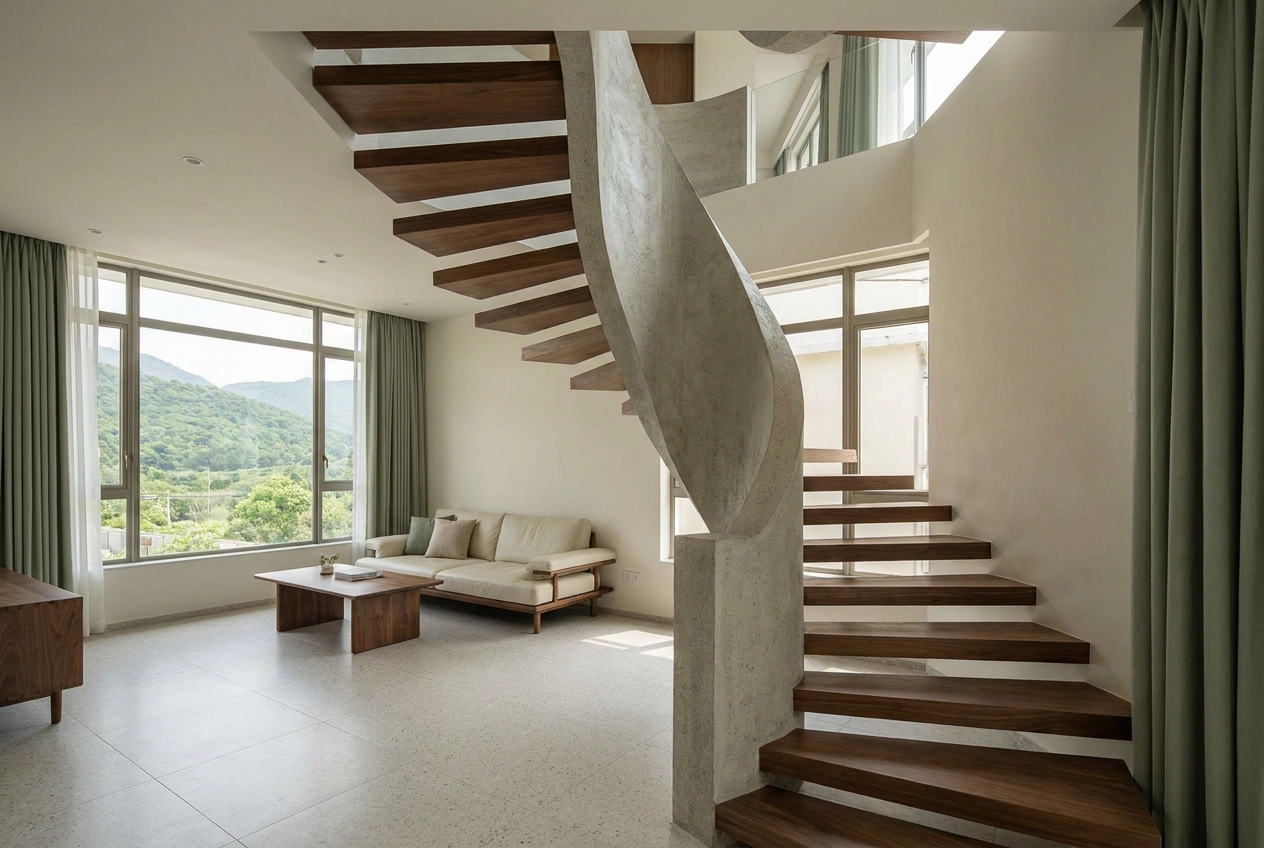
The defining feature of a village house is its vertical layout. With three storeys typically connected by staircases, plus a roof, you are planning a home that lives across levels rather than on one plane. That brings opportunities, a quiet sleeping floor above a sociable ground floor, for instance, but also more to coordinate.
The staircase itself becomes a major design element, shaping circulation and sightlines through the house. Services such as plumbing and electrics must be planned to run sensibly across floors. The larger and more complex the home, the more the upfront design and coordination matter, which is why village houses reward careful planning more than almost any flat.
The rooftop is an opportunity and a responsibility
A rooftop is one of the great pleasures of a village house, a private outdoor room with a view, perfect for relaxing or entertaining. Designed well, it can become the best space in the home.
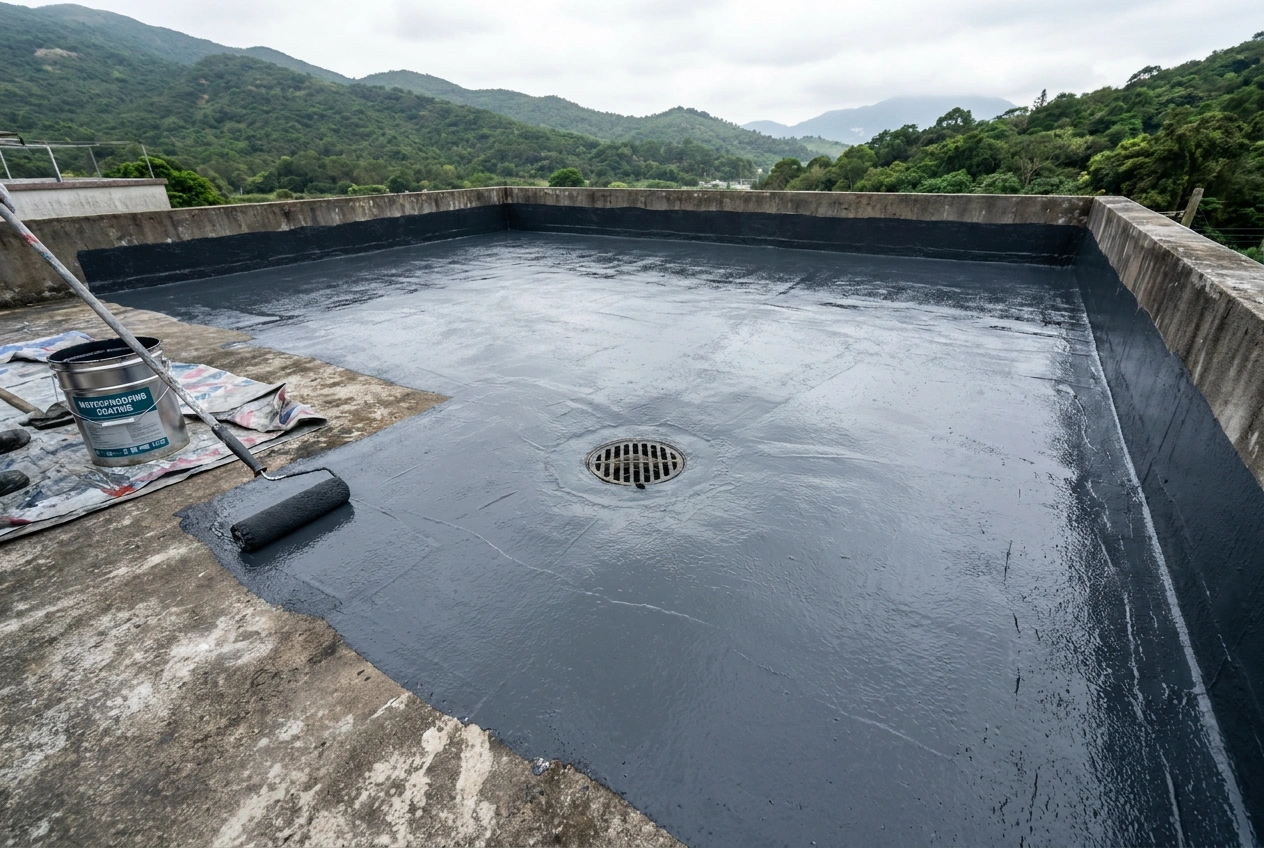
It is also a responsibility. A roof is the house's first line of defence against Hong Kong's heavy rain, so its waterproofing has to be right, and any rooftop structure or finish has to account for sun, wind and water. Drainage up there needs to carry storms away cleanly. Treat the rooftop as both a living space and a piece of building protection, and it rewards you for years rather than becoming a source of leaks.

Waterproofing and drainage come first
In a village house, waterproofing and drainage are not finishing touches; they are foundations of the whole project. With a roof, external walls and often more wet areas than a flat, there is far more surface for water to find a way in, and Hong Kong's climate tests every weak point.
Getting waterproofing right across the roof, terraces, bathrooms and external walls protects everything you build above it. Drainage, both rainwater outside and waste water inside, has to be planned to cope with real downpours. Skimping here is the costliest mistake in a village house, because water damage undoes finished work. We treat these as priorities, not afterthoughts.
Water supply and services
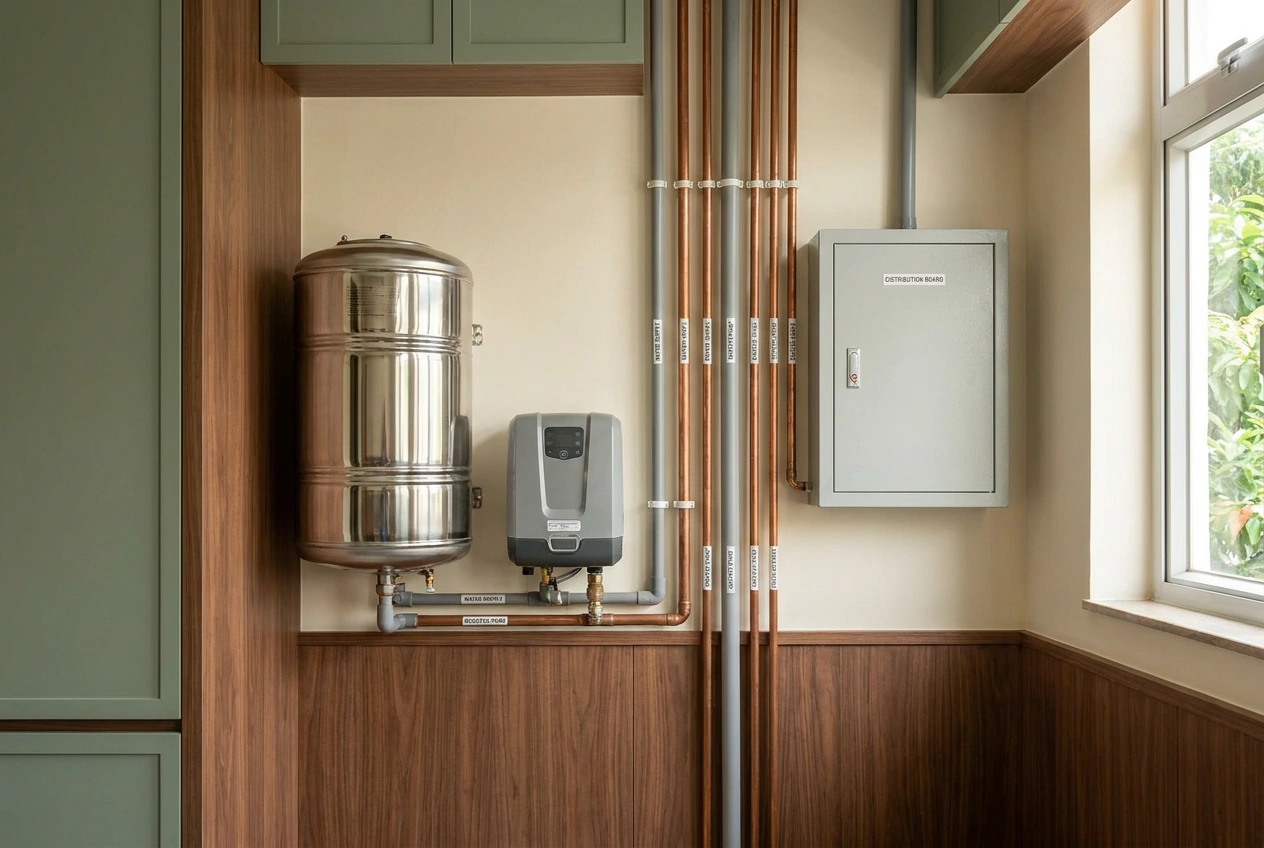
Village houses do not always enjoy the same building-wide services as a managed tower, so the water supply and other utilities deserve early attention. Depending on the house, water pressure across multiple floors, the supply arrangement, and drainage connections may all need to be checked and, where necessary, improved.
The same applies to electrical capacity and plumbing routed across several storeys. Establishing the state of these services at the start avoids unwelcome discoveries mid-project. Our in-house licensed electricians handle the electrical works and the related applications, so the wiring side is managed properly within the team rather than left to chance.
A larger scope, planned as one
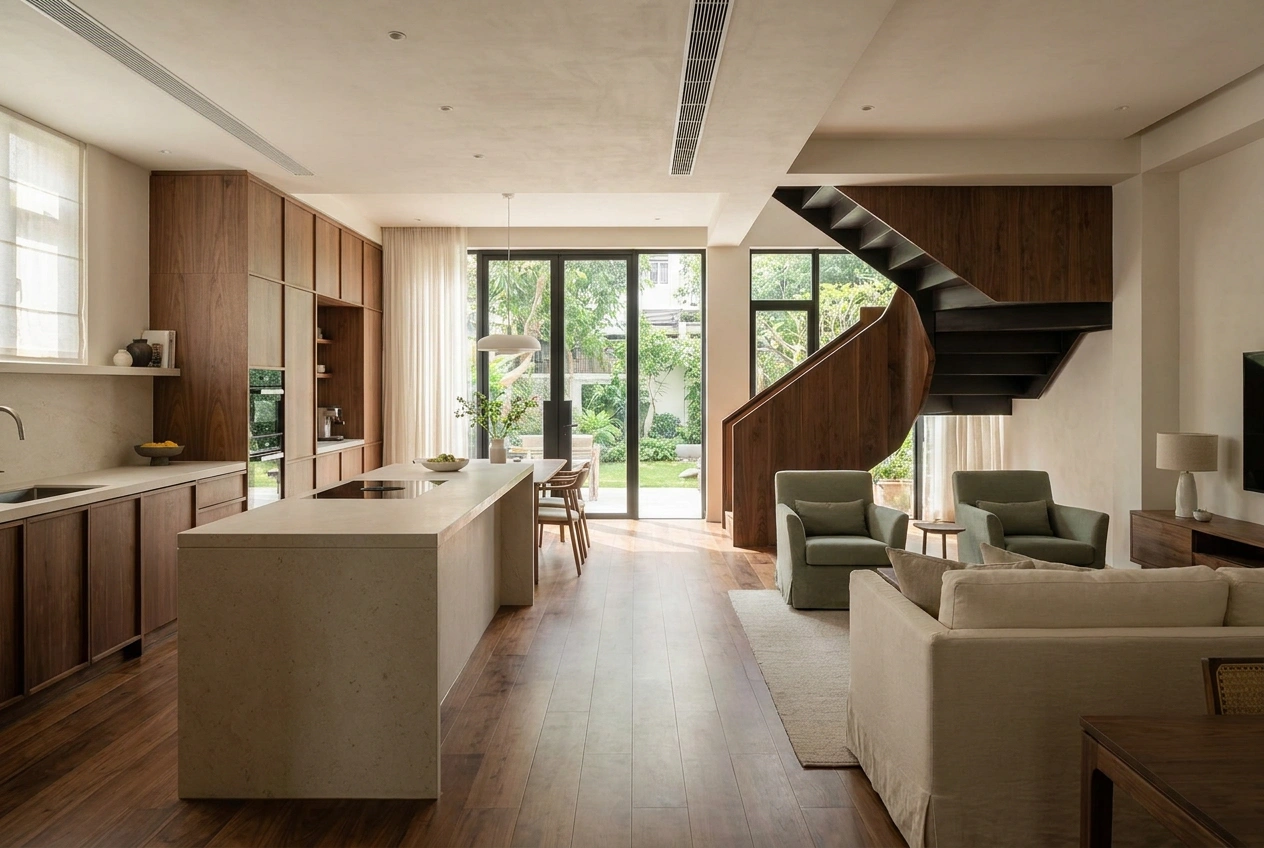
Because a village house involves more floors, more area and more trades than a flat, the scope is simply bigger, and the value of planning it as a single coordinated project rises accordingly. Sequencing the works across floors, ordering the trades sensibly, and keeping the design intent consistent from ground floor to roof all become more important.
This is where a design-and-build approach genuinely helps: one team holding both the drawings and the construction means the many moving parts answer to a single point of responsibility. For a project of this size, that coordination is often the difference between a smooth build and a stop-start one.
Approvals to be aware of
Village houses sit within their own regulatory framework, and some works carry approval considerations that a flat renovation does not. Anything affecting the structure, the building's footprint or envelope, or that goes beyond internal refurbishment may need professional input and the appropriate approvals.
The right specialists, such as an authorised person where required, are appointed for the project to handle statutory matters properly. We flag early what your particular scope is likely to involve, so the paperwork is understood before work begins rather than discovered partway through. The simplest first step is a free consultation, where we can talk through your house and what it will need.
Open WeChat, Discover, Scan
Or save the QR and import it from your gallery.