
Renovation insurance is the part of a project nobody thinks about until the day something goes wrong, and then it is the only thing that matters. A renovation is a building site inside your home, with water, electrics, demolition and people working at height, and accidents do happen. The right cover protects you, your neighbours and the workers if they do. Two policies come up most often: third-party liability, which covers injury or damage to others, and contractor all-risk, which covers the works themselves. This guide explains what each one does, why it matters, what to check before work begins, and who should be holding the policy.
Why renovation insurance matters at all
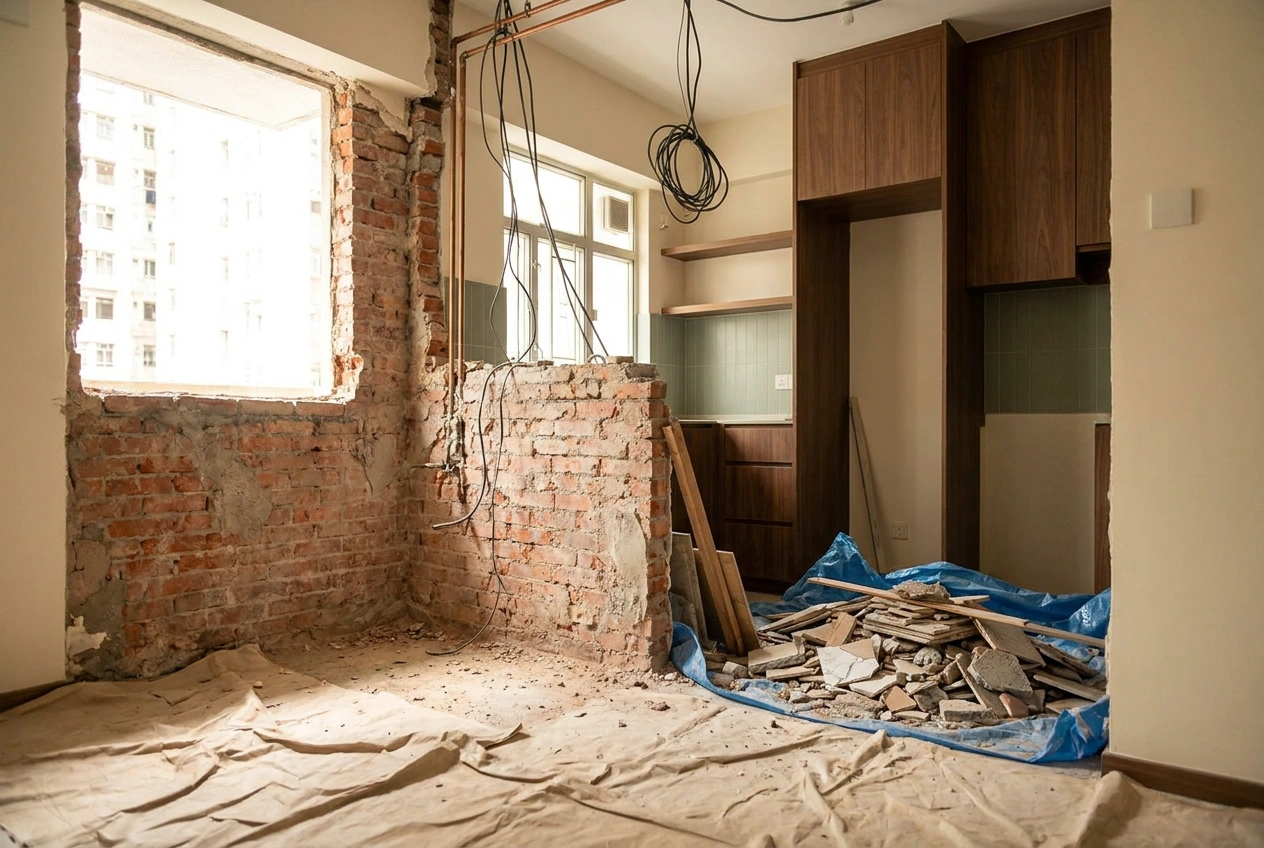
A home renovation is, for a few weeks or months, a live construction site. Pipes are opened, walls come down, wiring is changed, and water sits where it should not. Most jobs finish without incident, but the ones that do not can be serious: a leak into the flat below, damage to common areas, or an injury on site.
Without cover, the cost of putting these right can fall on you, even when you were not the one holding the tools. Insurance is not about expecting the worst; it is about making sure a single bad day does not turn into a financial and legal ordeal that overshadows the whole project.
Third-party liability cover
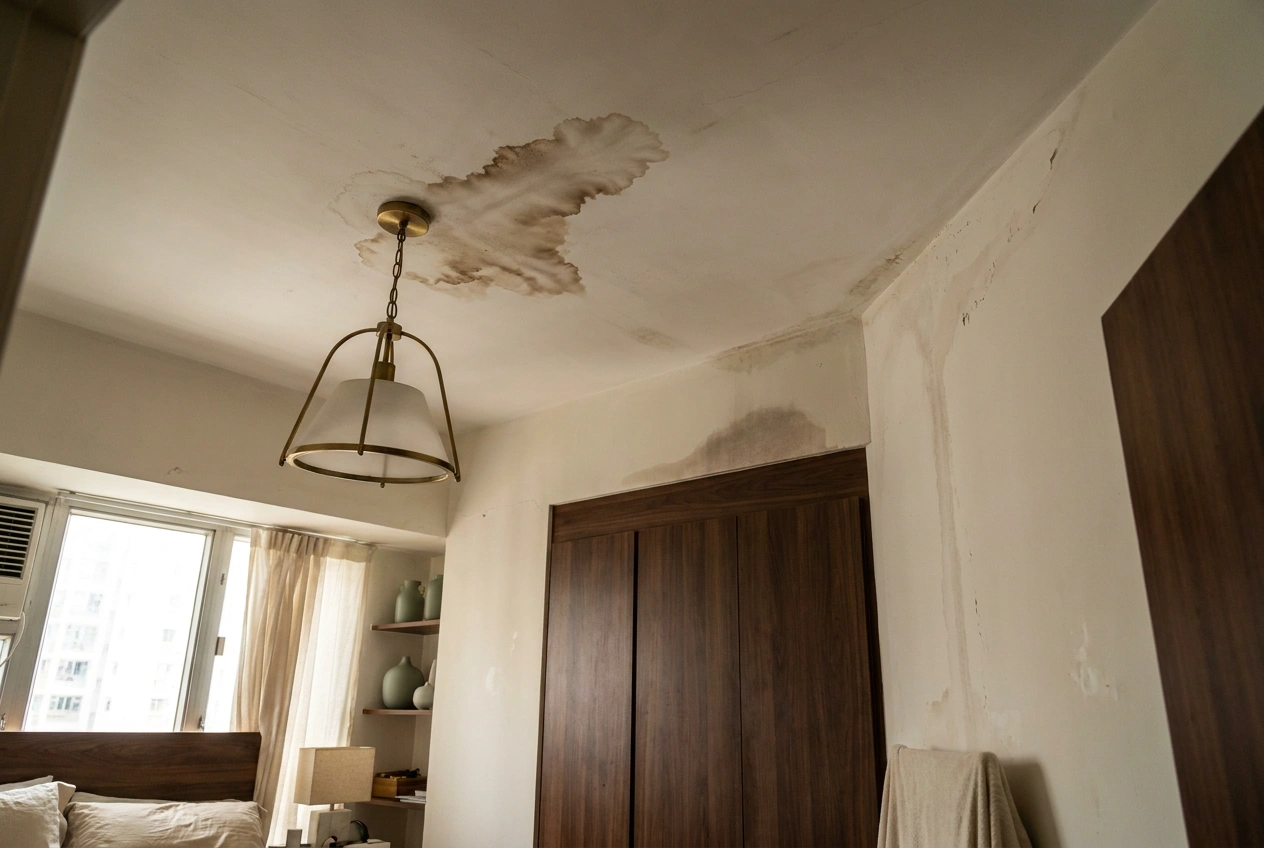
Third-party liability cover responds when your renovation causes injury or property damage to someone else. The classic example in Hong Kong is water: a waterproofing failure or a burst pipe that seeps into the unit below, damaging a neighbour's ceiling or belongings.
It can also cover damage to the building's common areas, lifts, corridors and lobbies, caused during the works. Living at close quarters as we do here, a single incident can affect several parties at once. This is the cover that keeps a mishap from becoming a dispute with the neighbours, or worse. It is the baseline protection any responsible job should carry.
Contractor all-risk cover
Where third-party liability protects other people, contractor all-risk protects the works themselves. It covers loss or damage to the renovation in progress: materials, fittings and work already completed, against events such as fire, flooding or accidental damage on site.
Imagine a near-finished kitchen damaged by an incident days before handover. Without cover, redoing that work is an unplanned cost; with it, the loss is absorbed. For larger or longer projects in particular, this is the policy that protects the investment you are steadily building on site, so that an accident does not mean paying for the same work twice.

What to check before work begins
Do not assume cover exists; confirm it in writing before the team arrives. Ask to see the policy, and check three things: what it covers, what it excludes, and the period it runs for.
Make sure the cover spans your whole programme, including any overrun, rather than lapsing partway through. Check that the type of work you are doing is not excluded, and that the sums involved are sensible for your project. If anything is unclear, ask for it in plain terms. A contractor who is properly insured will have no difficulty showing you, and a reluctance to do so tells you something in itself.

Who should hold the policy
Generally, the company carrying out the works should hold the relevant cover for the site, since they control the work and the workers. A professional firm treats this as standard, not as an optional extra you have to chase.
That said, it is worth understanding what your own home insurance does and does not cover during a renovation, as some policies limit cover while major works are under way. The two are not interchangeable. The safe position is to confirm the contractor's site cover in writing, and separately check your own policy, so there is no gap that surfaces only after something has gone wrong.
Insurance as a sign of a serious firm
Beyond the protection itself, how a firm handles insurance tells you a lot about how it works. A company that carries proper cover, explains it clearly and shows it without fuss is signalling that it takes responsibility seriously.
A firm that is evasive, or that treats the question as an inconvenience, is showing you something too. Insurance sits alongside a clear contract and staged payments as part of the same picture: a job that is set up properly from the start. When you ask about cover, you are not only protecting yourself; you are also learning how the firm thinks about risk and accountability.




Open WeChat, Discover, Scan
Or save the QR and import it from your gallery.