

Few things sour a renovation faster than a noise complaint, and in Hong Kong the rules behind that complaint are more specific, and more often misunderstood, than most owners expect. There are really two layers: the law, the Noise Control Ordinance (Cap. 400) enforced by the Environmental Protection Department and the Police, and your building's own rules, set by its management and binding on you by contract. The single most useful thing to understand is that they do different jobs: the law mainly controls noise at night and on holidays, and noisy equipment outside permitted hours, while your daytime working hours are set by your building, not the statute. This guide lays out the exact hours, the permits, the penalties, and, most importantly, how the picture changes depending on whether you live in a private estate, public housing, an HOS flat, a village house or above a shop. It is general guidance, not legal advice; for a specific case, confirm your building's rules and check with the EPD.
The law: the Noise Control Ordinance (Cap. 400)
- Construction noise. Using powered mechanical equipment (drills, breakers, saws) for construction is restricted to certain hours, with a permit needed outside them.
- Neighbourhood noise. Noise from a home that annoys someone at night or on a holiday is a separate, police-handled offence.
- Commercial noise. Ongoing noise from shops, offices and restaurants is controlled at any hour against fixed limits.

The part most owners get wrong
Weekends, Saturdays and holidays
How the rules change by building type
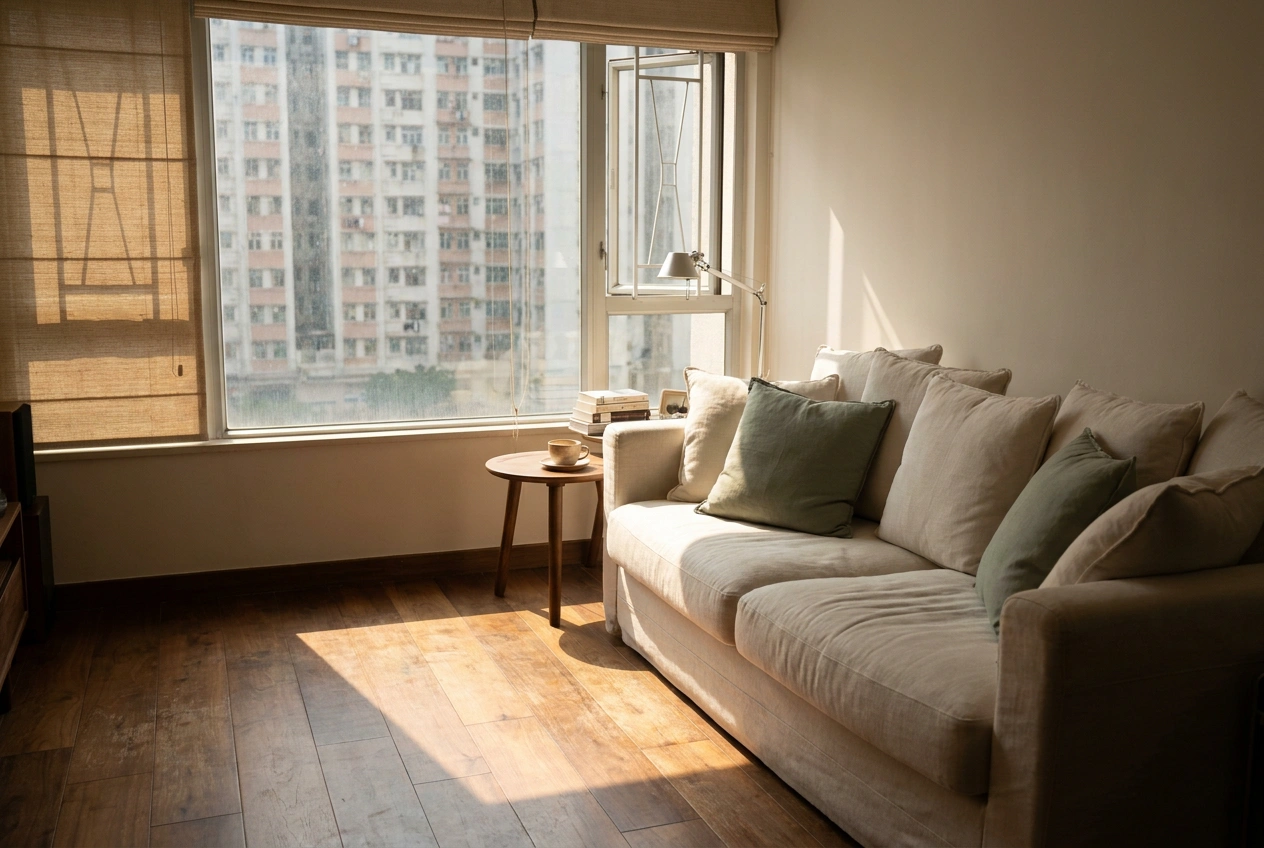
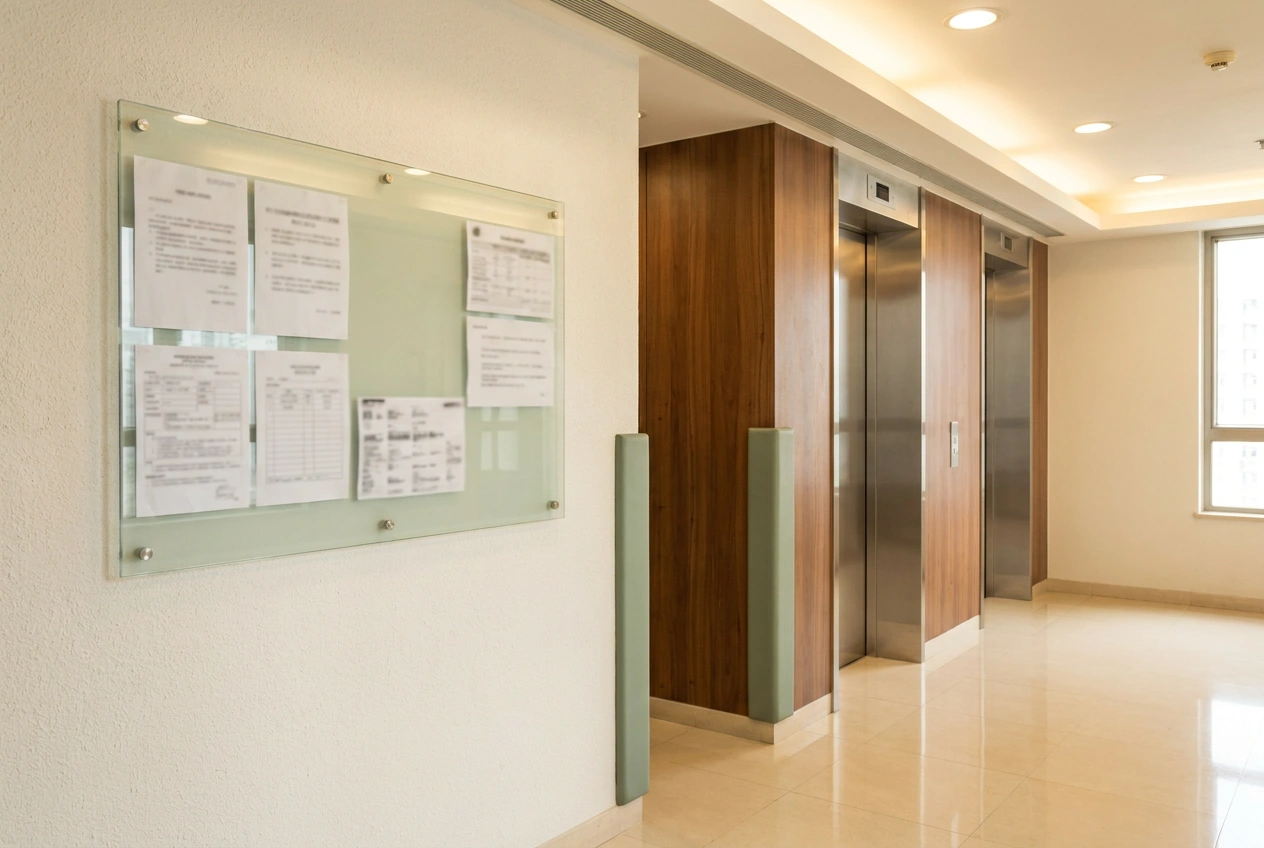
- Private estates and apartment blocks. Your real day-to-day limits come from the building's Deed of Mutual Covenant and the house rules made by the Owners' Corporation or management company under the Building Management Ordinance (Cap. 344). These are usually stricter than the law and they bind you by contract: expect a renovation registration or permit before works start, a refundable works deposit, advance notice to neighbours, protection of lifts and common areas, and set times for moving debris. Get the rules in writing before day one.
- Public rental housing. As a Housing Authority tenant you do not own the flat, so the Estate Office sets the terms: you need its approval before fixing or altering anything built in, structural changes are not allowed, and causing a nuisance can put your tenancy at risk. The same Cap. 400 noise hours apply on top.
- HOS and subsidised-sale flats. Home Ownership Scheme, Green Form and Tenants Purchase flats are private property managed under a Deed of Mutual Covenant, so you clear your works with the management office or Owners' Corporation first, which often takes a few weeks to vet. Any structural change needs an Authorized Person and Registered Structural Engineer, approved plans and Buildings Department consent under the Buildings Ordinance (Cap. 123); smaller jobs run under the Minor Works Control System. More in our HOS renovation guide.
- Village houses in the New Territories. A typical village house has no Deed of Mutual Covenant and no Owners' Corporation, so no management body sets your hours: only the Noise Control Ordinance, your contractor's discipline and basic neighbourly courtesy apply. Note that building or rebuilding works follow a different route, a Certificate of Exemption from the District Lands Office rather than Buildings Department approval, and the house must stay within the exempted size limits. See our village house renovation guide.
- Older buildings without an Owners' Corporation. In an old walk-up with no manager, any Deed of Mutual Covenant still binds owners in theory, but with no one to enforce it the practical limits fall back to the Ordinance plus whatever you agree directly with neighbours. Talking to the people above, below and beside you matters more here than anywhere.
- Commercial and mixed-use premises. Fit-out noise follows the same construction-noise hours and permit rules. The difference is ongoing operational noise from a shop, office or restaurant, which is controlled at any hour of the day or night against fixed limits and can trigger a Noise Abatement Notice, a stricter, always-on standard that matters most when you live above or below commercial space.
The penalties, and who you call
- Neighbourhood noise from a home that annoys someone at night or on a holiday (sections 4 and 5) carries a maximum fine of HK$10,000, and is dealt with by the Police.
- Construction noise made with powered equipment during restricted hours without a permit (sections 6 and 7) is far more serious: a maximum fine of HK$100,000 on a first conviction, HK$200,000 on a later one, plus up to HK$20,000 a day while the offence continues.
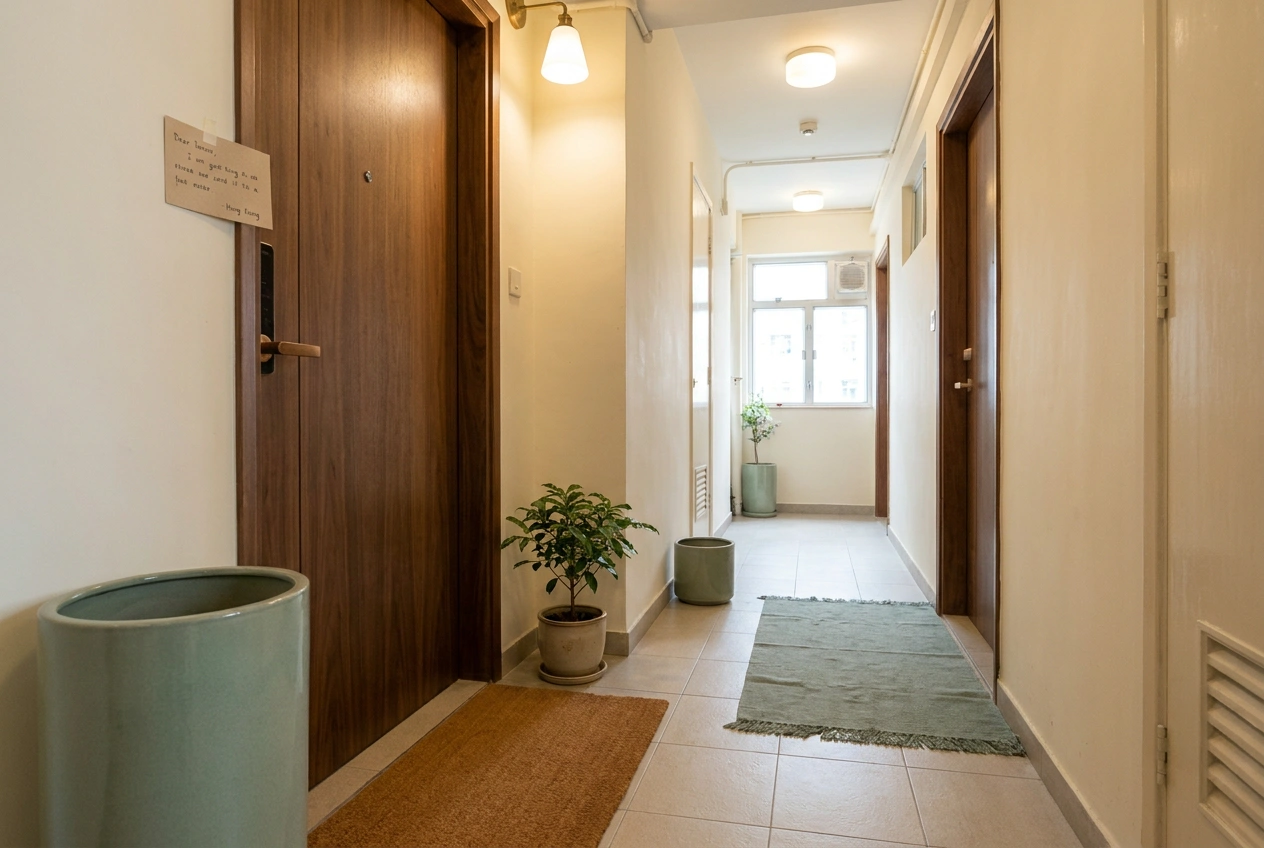
Keeping your neighbours onside
How we plan a job around the rules


Open WeChat, Discover, Scan
Or save the QR and import it from your gallery.