
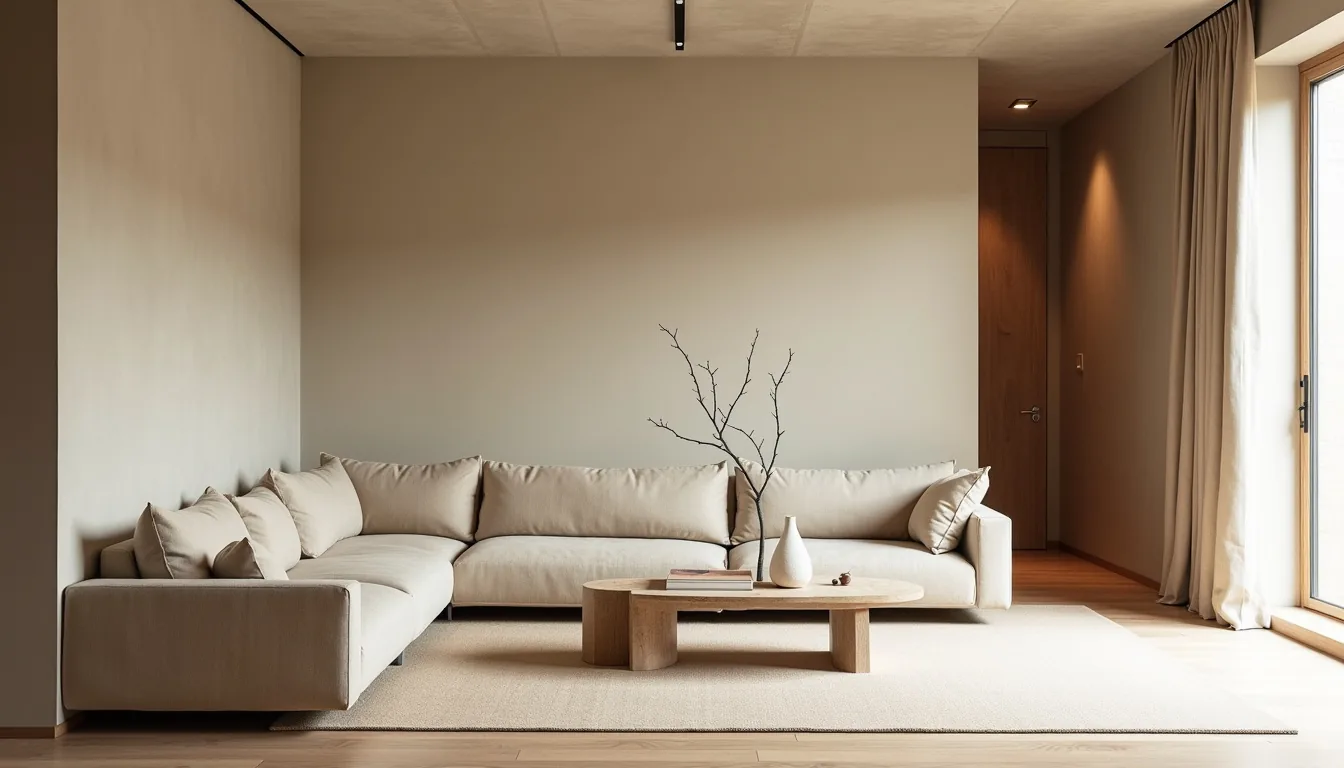
Wabi-sabi has quietly become one of the most desired looks in Hong Kong homes, and it is easy to see why. In a fast, glossy city, a home built on warm plaster, honest wood and the calm of empty space feels like somewhere to finally breathe. Wabi-sabi is the Japanese art of finding beauty in imperfection and impermanence: the patina on brass, the grain in solid timber, the soft cloud in a hand-troweled wall. This guide covers what the style really means, the palette and materials that define it (microcement included), how it differs from Japandi, muji and cream, and the part most inspiration photos skip: how to make these matte, natural surfaces actually last in a humid Hong Kong flat.
Working with Artwill
What wabi-sabi really is
Wabi-sabi comes from a Japanese worldview that values imperfection, impermanence and the natural character that age gives to things. In a home, that translates to surfaces and objects that feel made by hand rather than machine-finished: a wall with a soft, cloudy texture, timber that shows its grain, a ceramic with a thumb-print in the glaze.
It is often confused with unfinished or bare, but it is neither. Wabi-sabi is deliberate calm, not absence. Every rough surface and empty stretch of wall is chosen, because the beauty depends on restraint and on materials that are honest about what they are. The goal is a room that feels grounded, quiet and a little alive, one that will look better, not worse, as it ages.
The palette and materials that define it
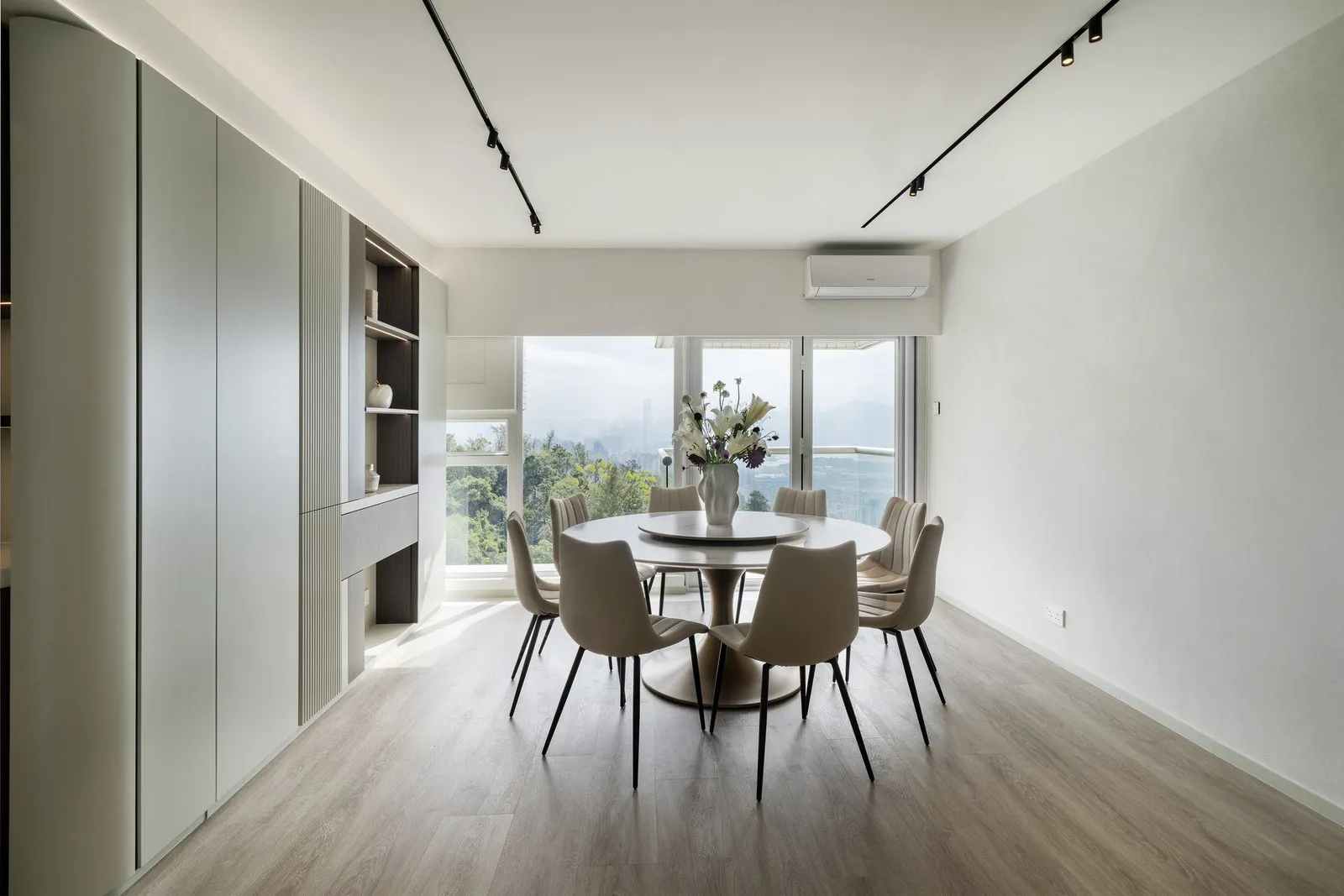
The palette is earthy and low-contrast: warm greige, off-white, clay, sand and stone, with soft charcoal used sparingly as an anchor. Nothing is bright or glossy, because sheen is the enemy of the mood.
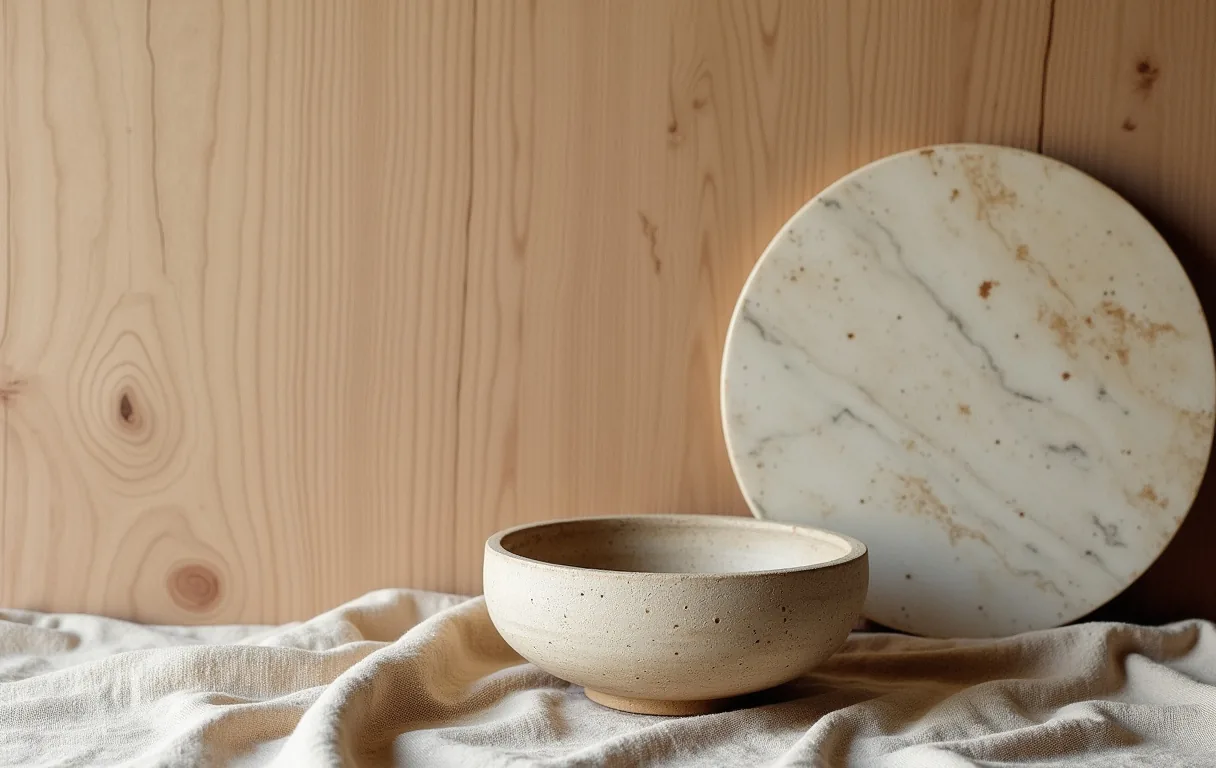
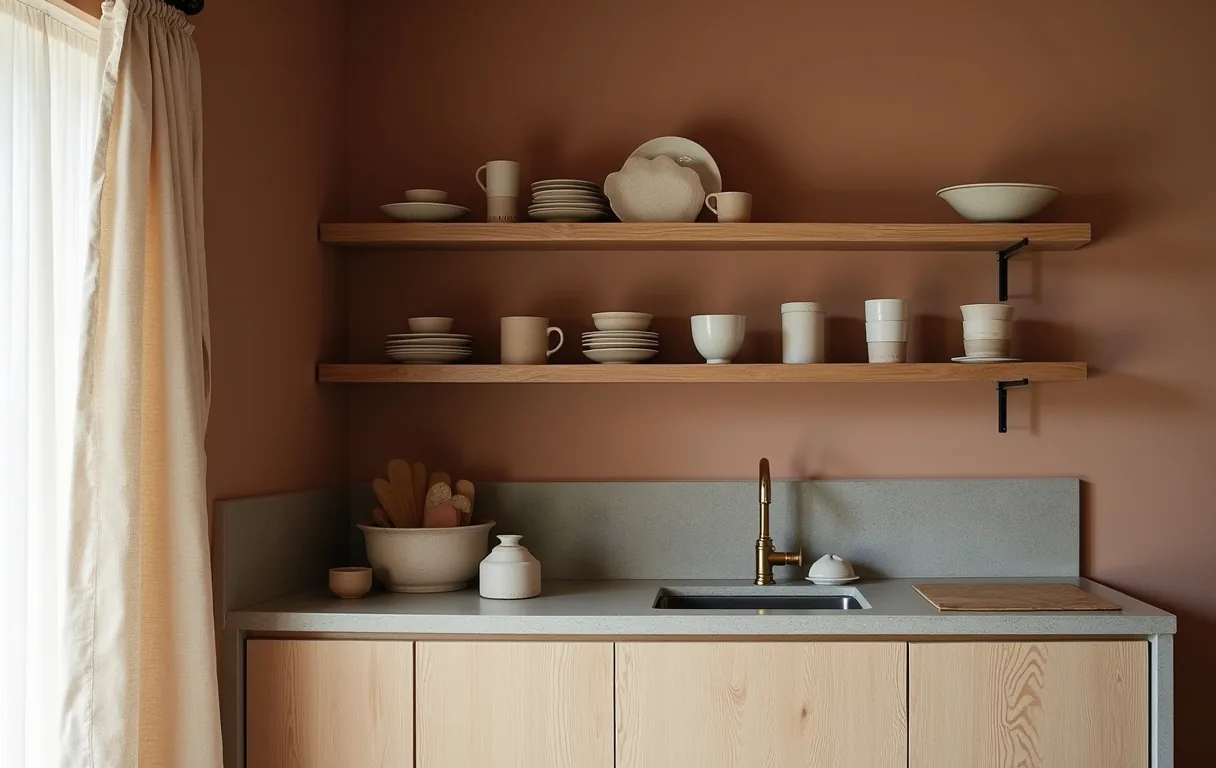
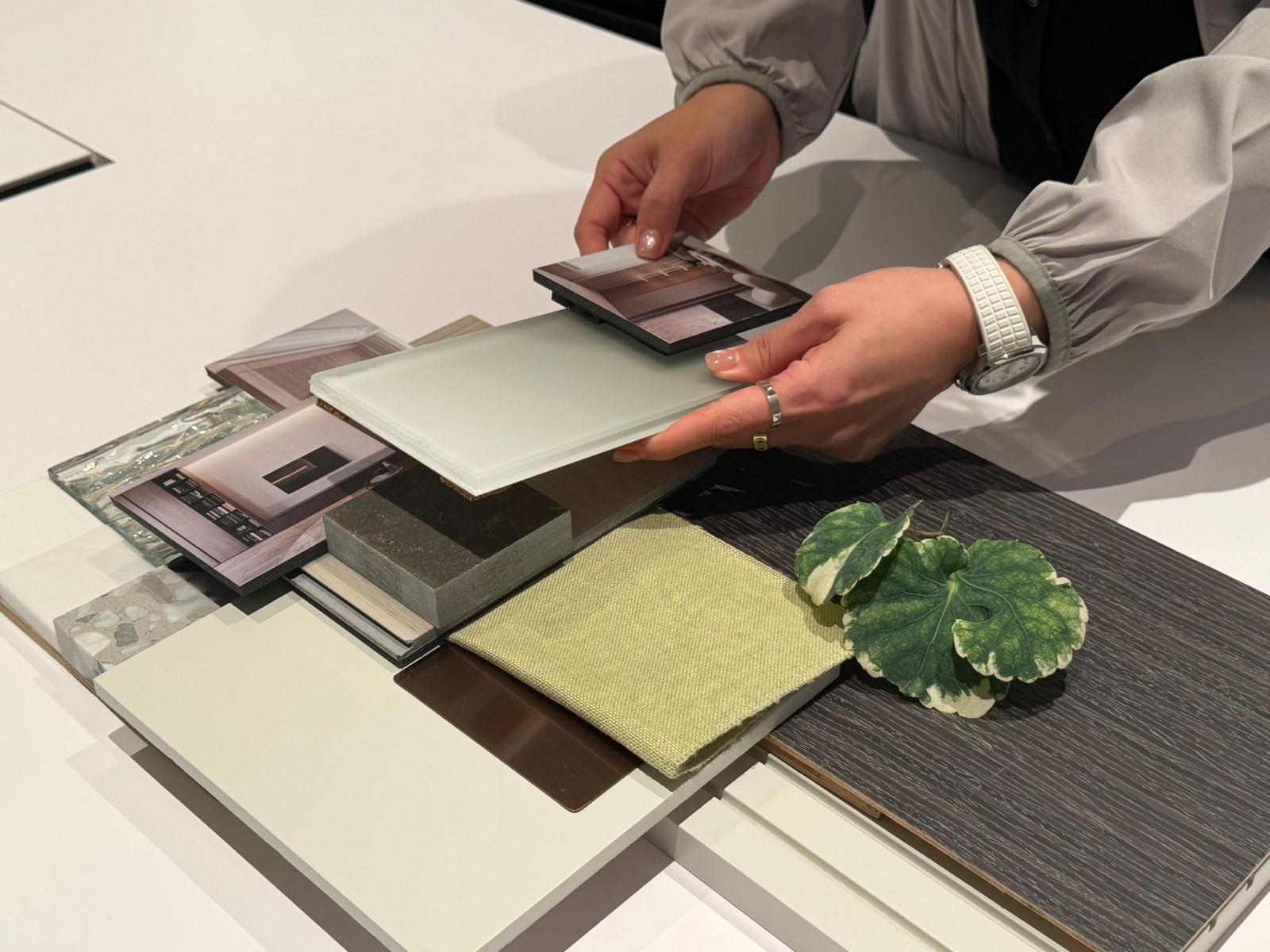
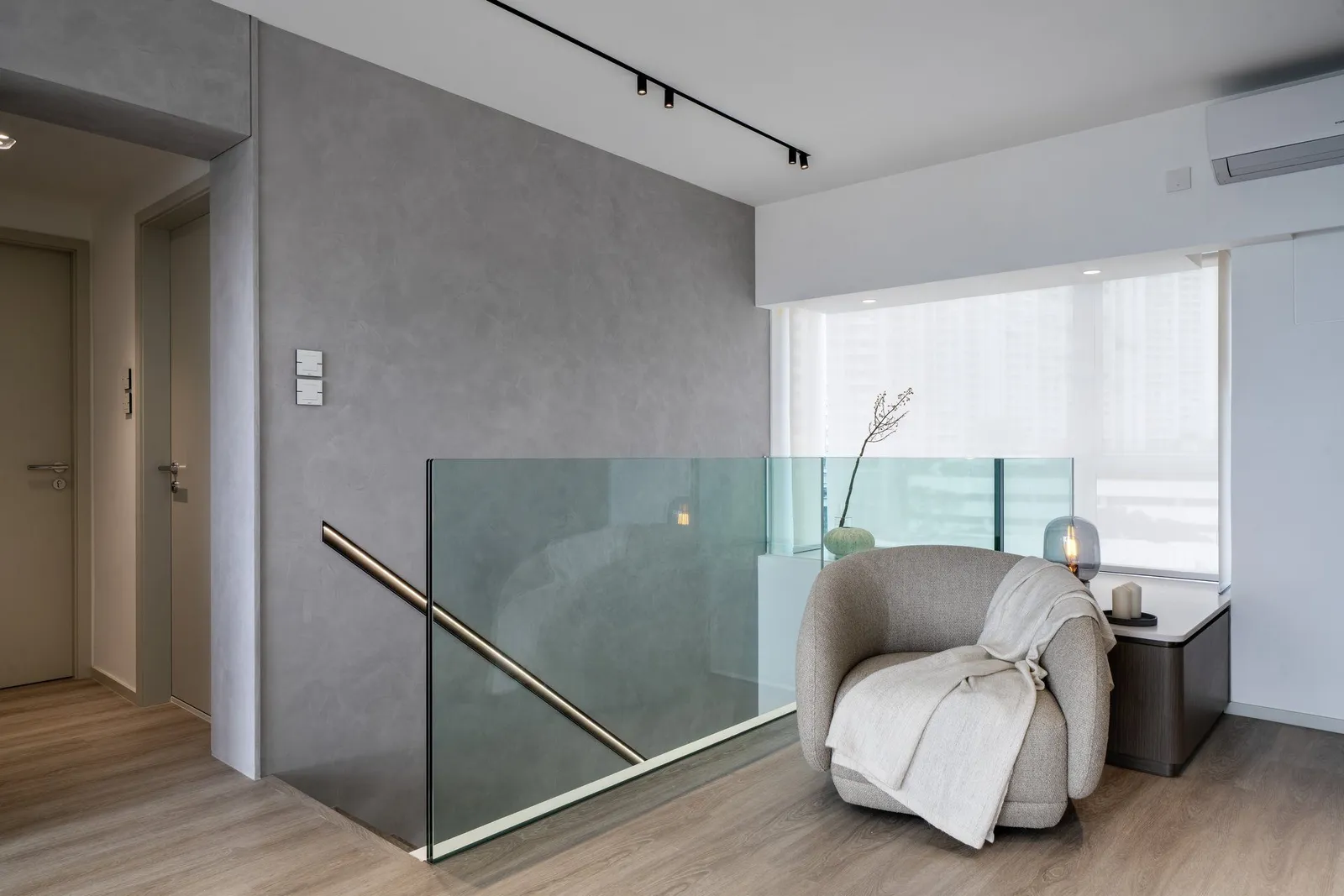
Materials are where wabi-sabi is really made. The signature surface is microcement (微水泥), or raw lime and clay plaster, hand-applied so the wall carries a soft, seamless cloudiness. Alongside it sit solid or matte-veneer wood, natural stone and travertine, linen and cotton, and aged brass left to develop a patina rather than kept mirror-bright. Everything is chosen for texture over shine, and for how it will weather. Specifying and applying these materials well is exactly where a design-and-build studio earns its place, because the look lives or dies on the substrate and the finish.
Wabi-sabi, Japandi, muji and cream: telling them apart
These calm, natural styles overlap, but they are not the same. Wabi-sabi is the most textural and imperfect: it celebrates patina, hand-work and asymmetry. Japandi takes a similar natural palette but adds Scandinavian tidiness and gentle contrast, so it feels more composed and less raw. Muji (無印風) is lighter, simpler and more product-led, softer and more uniform than wabi-sabi's earthiness. Cream (奶油風) is warmer, rounder and creamier, leaning cosy and soft rather than grounded and mineral.
A useful test: if you love a hand-troweled wall and a brass tap allowed to age, you want wabi-sabi. If you want that calm but cleaner and cosier, you are closer to Japandi or cream. Many of our clients land on a blend, which is a design decision we shape together rather than a label to pick off a shelf.
Making wabi-sabi survive a Hong Kong flat
This is the part the inspiration photos never mention, and it is where a build studio matters most. Microcement and lime plaster are beautiful but demanding: they need a stable, crack-controlled substrate, careful application in thin layers, and a breathable protective seal. Rushed preparation or a moving substrate shows up as hairline cracks within a season.
Hong Kong's humidity adds a second challenge. Matte, mineral surfaces can harbour mould if the wall behind them was not prepared with anti-fungal treatment and if the room has no real ventilation. The instinct to reach for a thick, glossy waterproof coating is the wrong fix, because high sheen kills the very softness that makes the style work. The right answer is proper substrate preparation, a breathable seal suited to the surface, and designing in ventilation and dehumidification from the start. That is craft and coordination, not a product bought off a shelf, and it is why this style is better built than improvised.
Wabi-sabi in the living room and a small flat
The living room is where wabi-sabi is felt most, because it is where you slow down. A hand-finished feature wall, a low solid-wood table, a linen sofa in oatmeal or clay, and a single branch or handmade vessel are enough; the empty space around them is part of the composition, not a gap to fill.
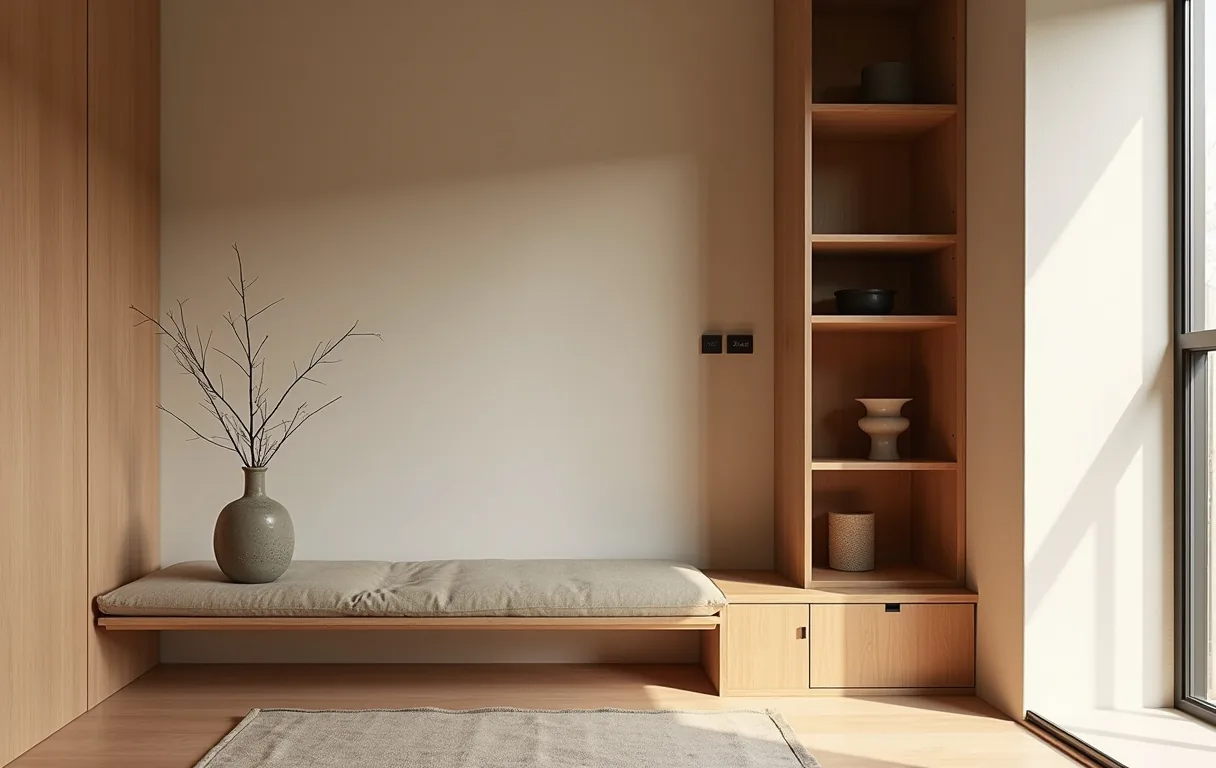
In a compact Hong Kong flat, that restraint is an advantage. Keep the palette tight so the small space reads as calm rather than busy, choose low and simple forms, and design generous concealed storage so surfaces stay clear, because clutter is the one thing wabi-sabi cannot absorb. A little of this style goes a long way: one beautifully finished plaster wall can set the mood for a whole home.
Common mistakes to avoid
The first mistake is treating wabi-sabi as an excuse to leave things unfinished. Raw is not the same as rough or careless; the imperfection has to be crafted, or the room simply looks incomplete.
The second is over-styling, crowding the space with too many artisan objects until the calm is gone. Wabi-sabi is subtractive; when in doubt, remove. The third is bright, cool lighting, which flattens the soft texture the style depends on, so keep light warm, low and layered. The fourth, specific to Hong Kong, is skipping the humidity and substrate work above, which turns a beautiful matte wall into a cracked or mouldy one within a year. Done with real material knowledge, wabi-sabi is one of the most rewarding looks a home can have.
Open WeChat, Discover, Scan
Or save the QR and import it from your gallery.