
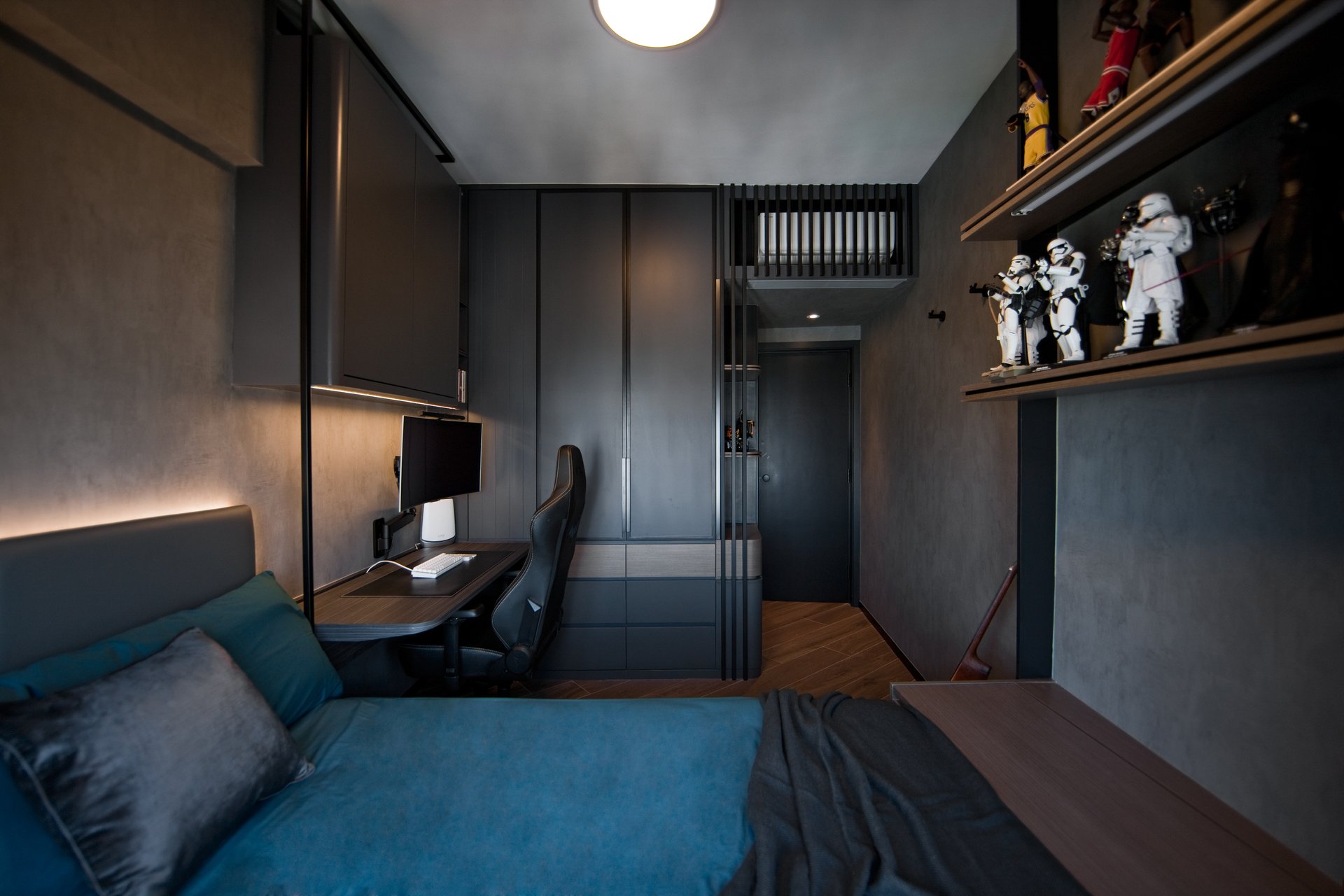
Custom furniture (訂造傢俬) is the default for most Hong Kong homes because so few flats have a shape a factory catalogue was designed for: awkward alcoves, low beams, a bay window that needs a window seat built to the millimetre. But the search results for "custom furniture Hong Kong" are dominated by warnings, and for good reason: horror stories about deposits paid and furniture that never arrived, or arrived the wrong size, are common enough that "訂造傢俬黑店" (custom-furniture scam shop) is itself a frequently searched term. This guide is not another price list. It is what actually separates a legitimate custom-furniture process from a risky one, so you can vet a maker before you pay a deposit, not after something goes wrong.
Working with Artwill
When custom actually makes sense
Not every piece needs to be custom. A freestanding bookshelf against a flat wall, a dining table in a normal-sized room, a bed frame: ready-made often works fine and costs less. Custom earns its place when the space itself is the constraint: a wardrobe that has to wrap around a structural column, storage that needs to use every millimetre of a low ceiling void, a kitchen run that has to match an odd wall angle, or furniture built into an entrance that has no standard dimensions to begin with. If your space is a normal rectangle and a retailer's stock size fits, custom usually is not worth the extra lead time.
The red flags of a 黑店 (scam shop)
Almost every bad custom-furniture story in Hong Kong shares the same handful of warning signs, and none of them require special expertise to spot:
- No shop drawing before production. A legitimate maker produces a detailed shop drawing (exact dimensions, materials, hardware) for you to confirm in writing before anything is cut. If a supplier goes straight from a verbal chat to "we'll start making it," that is the single biggest red flag.
- A large deposit and a vague timeline. Deposits are normal, but a maker who cannot give you a realistic production window, or who asks for the bulk of the payment upfront with no milestone tied to a shop-drawing sign-off, is a risk.
- No fixed address or showroom you can visit. You do not need to inspect a factory, but a maker with no physical presence you can check makes it very hard to follow up if something goes wrong.
- Material and hardware left vague. "Good quality board" is not a specification. A real quote names the board type and the hardware brand.
- No on-site measurement. Custom furniture built from a floor plan without measuring the actual space is a common cause of pieces that do not fit on delivery day.
What a legitimate process actually looks like
A trustworthy custom-furniture process follows a clear, checkable order:
- On-site measurement. Someone measures the actual space, not a floor plan, including wall straightness and any obstructions.
- Design confirmation. Layout, materials, and hardware are agreed and put in writing before production.
- Shop drawings. A detailed technical drawing, dimensions and all, is checked and signed off by you or your designer before the factory starts.
- Factory production. The confirmed drawing goes to production. At Artwill, this happens at a trusted mainland China partner factory under our own team's direct oversight, not an anonymous subcontractor picked after the fact.
- Delivery and installation. Pieces are delivered and installed against the confirmed drawing, with any site adjustment handled by the same team that designed it.
Materials and hardware, in plain terms
You do not need to become a materials engineer, but three terms are worth knowing when you read a quote.
Board type is the biggest driver of both cost and durability. Plywood is stronger and more moisture-resistant, commonly used for kitchens and bathrooms. Particleboard and MDF are more affordable and work well for wardrobes and low-moisture rooms, but perform worse near water. Solid wood costs more and is usually reserved for feature pieces rather than full cabinetry runs.
Hardware is what makes a wardrobe or cabinet feel expensive or cheap five years in, not the finish. Hinges, drawer runners, and lift systems from established brands such as Blum, Hettich, and Dorma are built to a soft-close, high-cycle standard that budget hardware is not. Ask which brand is quoted, not just "European hardware", which is not a brand.
Finish (laminate, veneer, lacquer, and so on) affects appearance and price but matters less to long-term durability than board and hardware. Do not let a beautiful finish sample distract from a vague answer on the other two.
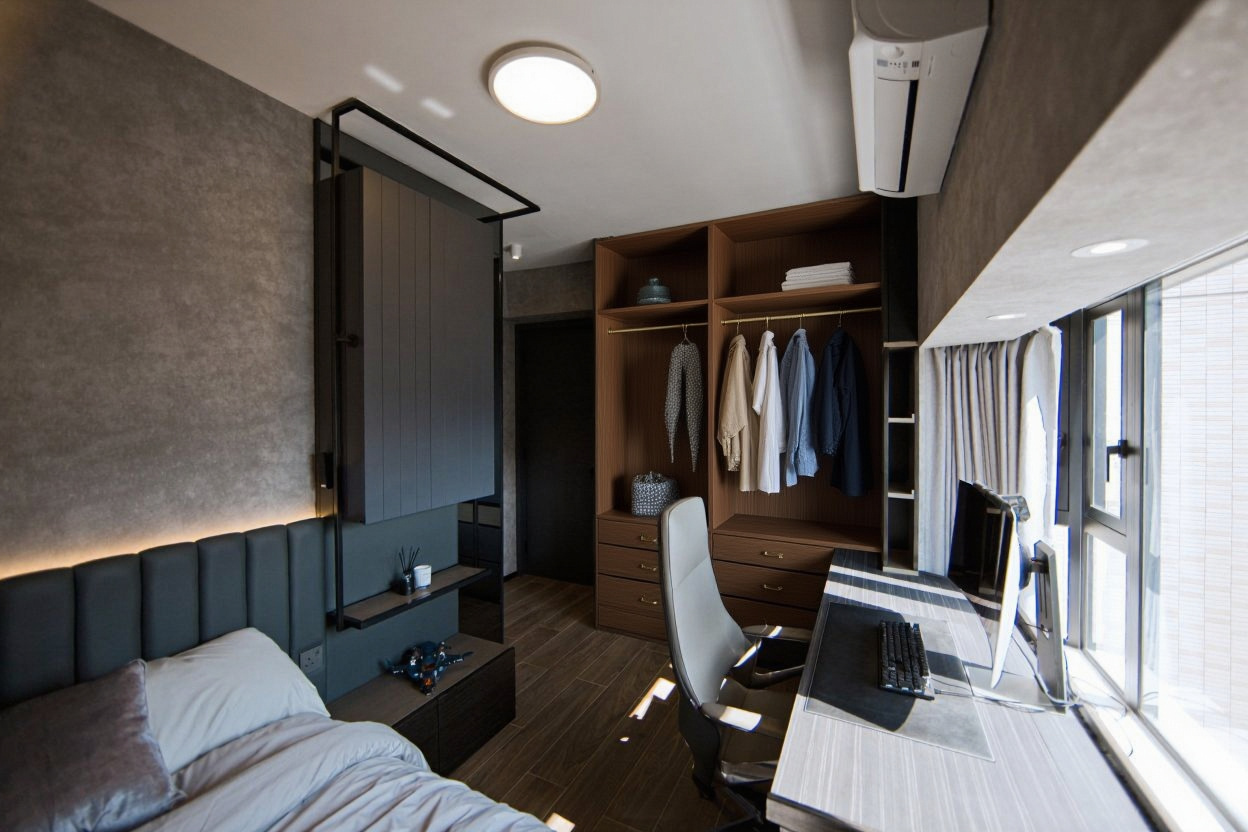
What actually drives the cost
Custom furniture pricing is driven by a handful of real factors rather than a single per-square-foot number: the board type and grade, the hardware brand and quantity (every hinge and runner adds up), the finish and any special detailing (curves, integrated lighting, glass), the size and complexity of the piece, and site conditions that make installation harder (narrow lift access, high floors, awkward corners).
Two quotes with the same rough dimensions can differ significantly once board and hardware are named specifically, so the fair way to compare quotes is item by item, not by a single bottom-line figure. Our guide on how to read a renovation quotation applies directly to custom-furniture quotes too.
How to compare makers, not just prices
Before choosing, ask each maker the same three questions and compare the answers, not just the number:
- Who measures the site, and when?
- Will I see and sign off a shop drawing before production starts, and what happens if I want a change after that?
- What board and hardware are actually specified, by name, not by adjective?
Open WeChat, Discover, Scan
Or save the QR and import it from your gallery.